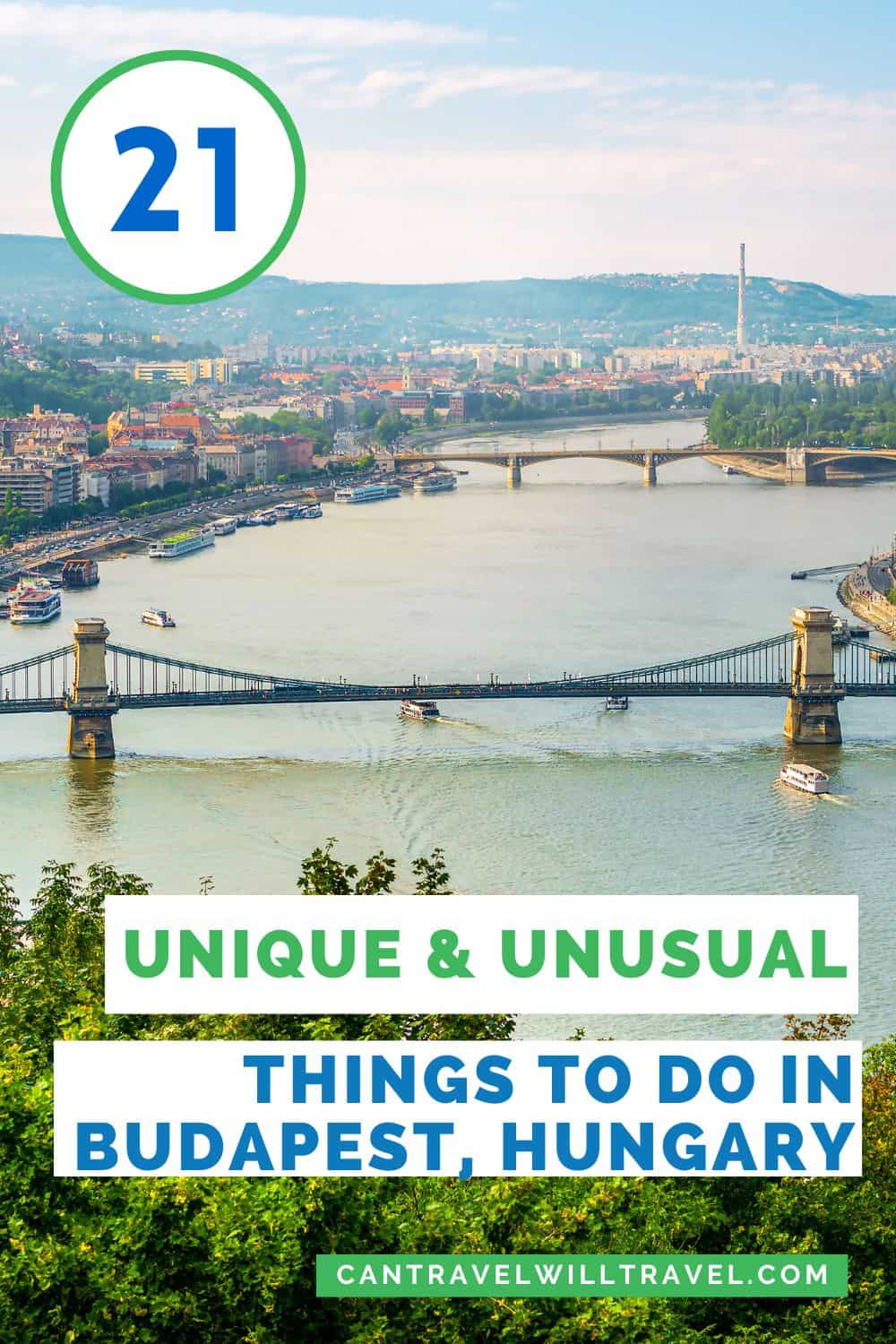
Budapest is best known for its grand architecture, thermal baths, ruin bars and views along the Danube. Most first-time visitors head straight for the Parliament Building, Buda Castle, Fisherman’s Bastion and Széchenyi Baths, and for good reason. They are all worth seeing.
But Budapest also has a more unusual side if you have time to look beyond the main sights. There are caves under the Buda Hills, Cold War bunkers, tiny hidden statues, quirky museums, old courtyards, street art, unusual local experiences, and several places that feel very different from the polished city-break version of Budapest.
I haven’t done a Danube river cruise myself, but Budapest is a popular starting or finishing point for them. So, if you’re spending a few extra days in the city before or after a river cruise, this guide should help you find some less obvious things to do.
This post focuses on unusual and unique things to do in Budapest, rather than a standard list of the top tourist attractions. It’s especially useful if you’ve visited before, have a bit more time, or simply prefer places with a story behind them.
Affiliate Link Disclosure: This post contains affiliate links. If you use them to make a purchase, we may earn a small commission at no extra cost to you. As an Amazon Associate, we earn from qualifying purchases. Learn more in our Affiliate Link Disclosure.
Unusual and Unique Things to Do in Budapest
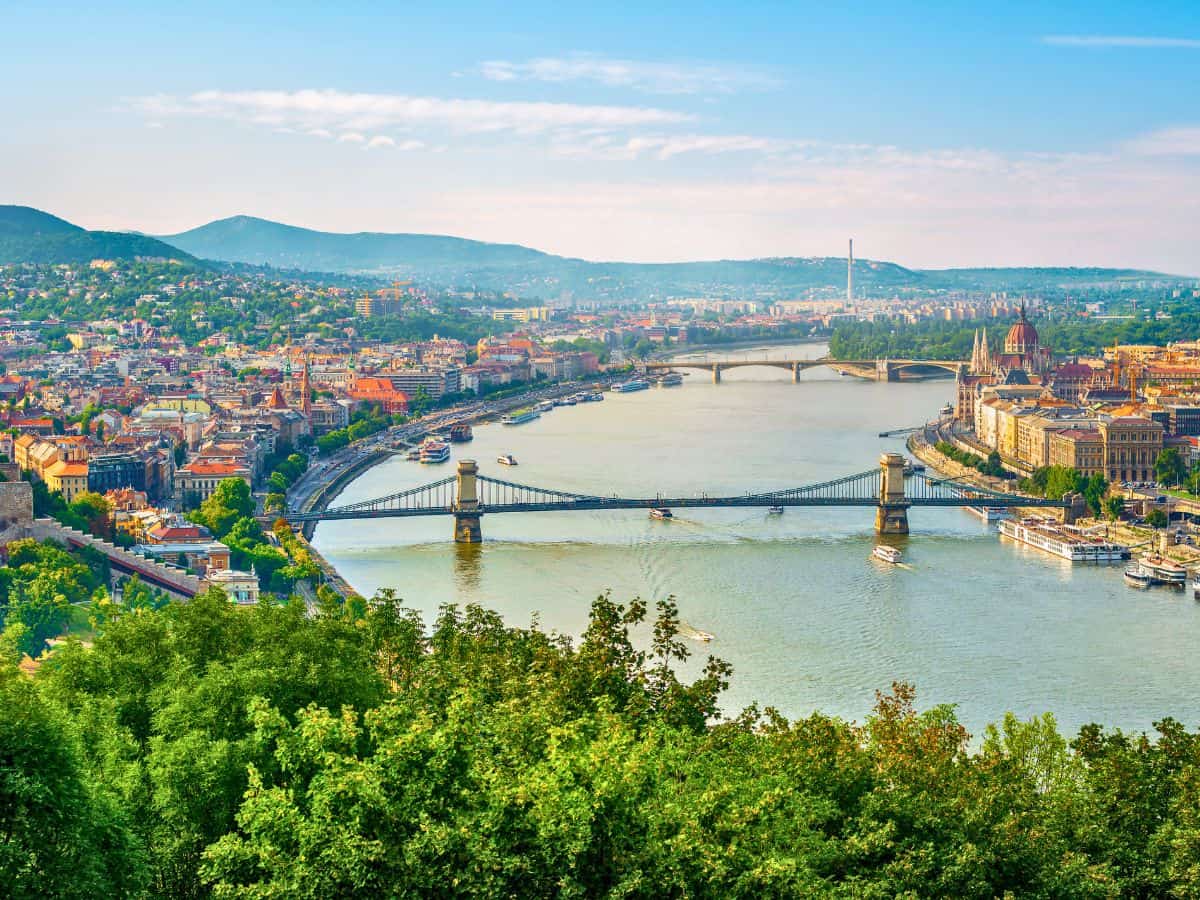
Many of Budapest’s best experiences are away from the busiest viewpoints and most photographed landmarks. From underground caves and wartime tunnels to retro games, mini statues and local neighbourhoods, these unusual things to do in Budapest show a different side of the city. It’s a similar kind of exploring to finding street art, local cafes and quieter neighbourhoods in Hamburg, where the places just beyond the obvious sights often end up being the most memorable.
1. Explore the Hospital in the Rock Nuclear Bunker Museum
Hidden beneath Buda Castle, the Hospital in the Rock Nuclear Bunker Museum is one of the most interesting museums in Budapest. It was used as an emergency hospital during the Second World War and later became a nuclear bunker during the Cold War.
It’s not a light-hearted place to visit, but it is worth seeing if you’re interested in Budapest’s wartime history. The underground rooms, old hospital equipment and bunker areas give you a very different view of the city from the one you get above ground.
Visits are usually by guided tour, so check the latest times and language options before you go.
2. Go Underground in Pál-völgyi Cave
Budapest is famous for its thermal baths, but many visitors don’t realise there are also caves beneath the city. Pál-völgyi Cave is one of the best places to see this underground side of Budapest.
The cave sits in the Buda Hills and has narrow passages, rock formations, calcite crystals and a visitor route that feels far removed from the busy streets above.
Wear sensible shoes and take a light jacket, as it can feel cool underground even when it’s hot in Budapest.
3. Visit Szemlő-hegyi Cave
If you like the idea of seeing Budapest’s caves but want something a little easier, Szemlő-hegyi Cave is a good option. It is often described as Budapest’s underground flower garden because of its unusual mineral formations.
The paths are more visitor-friendly than some of the other cave routes, so it suits people who want an underground experience without anything too adventurous. It’s a useful rainy-day option too, or a good place to escape the heat in summer.
As with all smaller attractions, check the latest opening times before you go, especially if you’re visiting outside the main travel season.
4. See the Cave Church in Gellért Hill
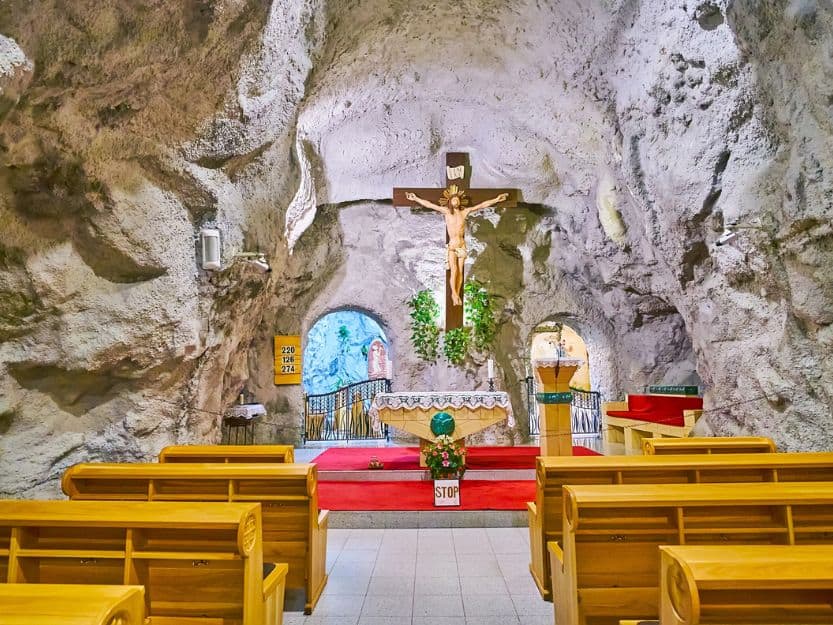
The Cave Church is built into the rock of Gellért Hill, close to Liberty Bridge and the Gellért Baths. From the outside, it is easy to walk past without realising what is inside.
The church is small, simple and very different from Budapest’s grand basilicas and synagogues. It is worth adding to your route if you are already exploring the Gellért Hill area.
You could visit the Cave Church, walk across Liberty Bridge and stop at the Great Market Hall on the same morning.
5. Ride the Children’s Railway Through the Buda Hills
The Children’s Railway is one of the quirkiest things to do in Budapest. It is a real railway running through the Buda Hills, but many of the railway roles are carried out by children under adult supervision.
The line runs from Széchenyihegy to Hűvösvölgy, serving places such as Normafa and Jánoshegy along the way.
It’s a fun way to get out of the city centre and see a greener, quieter part of Budapest. You can combine it with a walk in the hills, a stop at Normafa or a visit to Elizabeth Lookout Tower.
6. Hunt for Kolodko’s Mini Statues
One of the best free things to do in Budapest is to look for Mihály Kolodko’s tiny bronze statues. They are dotted around the city on walls, railings, pavements and street corners.
Some are linked to Hungarian cartoons or local history, while others are just playful and unexpected. They are easy to miss if you’re not looking for them, which makes finding them more fun.
You can plan a route in advance or simply keep an eye out as you walk around the city. This is a good one to do slowly, especially if you like exploring without joining a formal tour.
Budapest’s official tourism site has a useful mini statue sightseeing route if you want to plan your walk in advance
7. Visit Memento Park
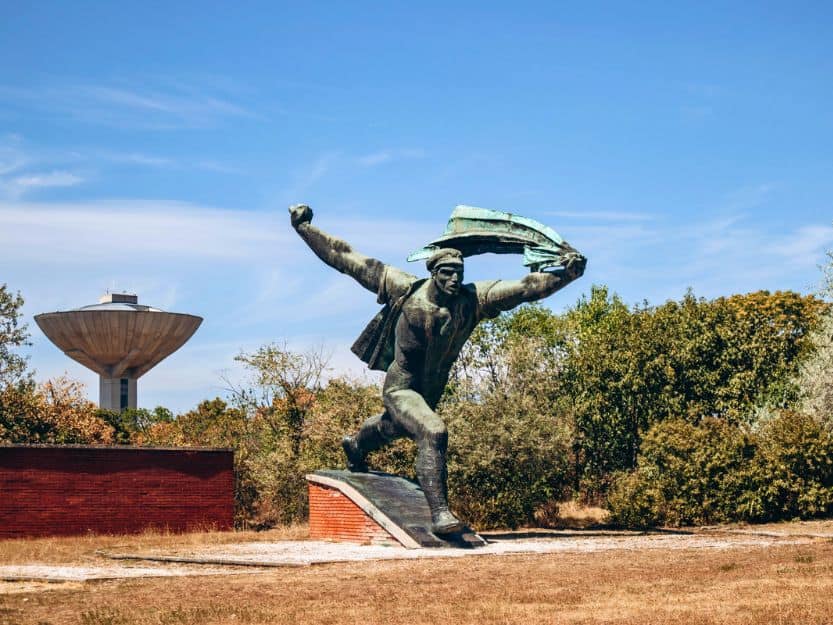
Memento Park is an open-air museum filled with statues and monuments from Hungary’s communist period. After the regime changed, many of these statues were moved out of central Budapest and placed here instead.
It is a strange and memorable place to walk around. The statues are huge, serious and sometimes unsettling, but they help show a very different part of Hungary’s recent history.
It is outside the city centre, so allow enough time for the journey there and back.
8. Have a Drink in a Ruin Bar
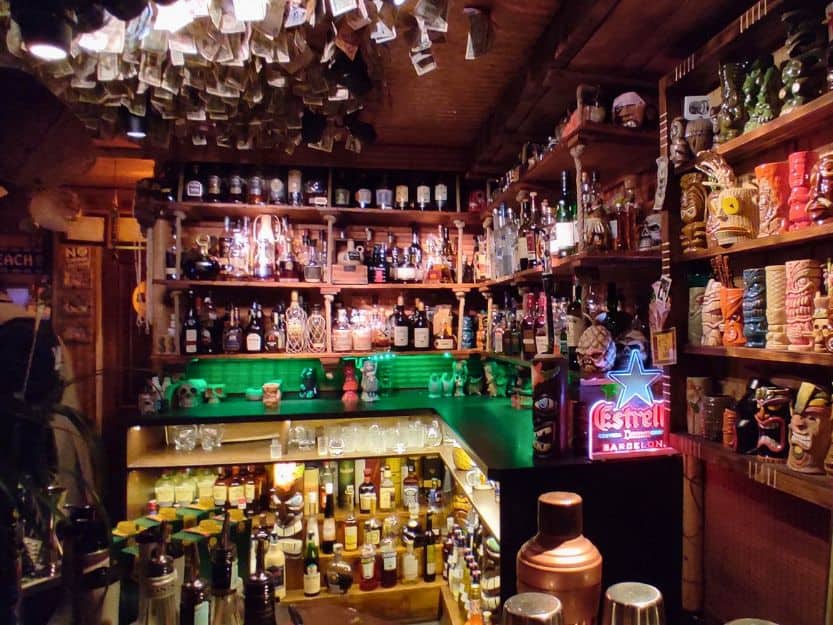
Ruin bars are now one of Budapest’s most famous attractions, but they still deserve a place on this list because they are so tied to the city’s character. These bars took over old buildings and courtyards, then filled them with mismatched furniture, lights, murals and random objects.
Szimpla Kert is the best-known ruin bar and worth seeing if you have never been before. It can get very busy later in the evening, so go earlier if you want to look around before it turns into a full night out.
The surrounding Jewish Quarter is also good for food, street art and smaller bars. If you’d rather not plan the evening yourself, joining a Budapest ruin bar crawl tour can be a good way to visit a few different places, meet other travellers and get more of the background behind the area.
9. Play Games at the Budapest Pinball Museum
The Budapest Pinball Museum is a brilliant option if you want something fun, indoors and a bit different. It has a large collection of pinball machines and retro arcade games, many of which you can actually play.
It’s part museum, part games room, and it works well for couples, friends or anyone who prefers hands-on places to traditional galleries.
This is a good one to save for a rainy afternoon or a relaxed evening.
10. Try the Invisible Exhibition
The Invisible Exhibition is an unusual experience where visitors move through dark spaces with the help of blind or visually impaired guides. Instead of relying on sight, you use sound, touch and smell to understand each space.
It is not a typical tourist attraction, but that’s exactly why it stands out. It makes you slow down and think about how you experience the world around you.
Book ahead if you want an English-language visit, as times and availability can vary.
11. Find Street Art in the Jewish Quarter
Budapest’s Jewish Quarter is best known for ruin bars and nightlife, but it is also a great area for street art. Large murals brighten up firewalls and side streets, and many of them link to Hungarian culture, history or local stories.
It is worth walking around during the day, before the bars get busy. You’ll notice details that are easy to miss at night, including murals, independent cafes, small shops and courtyards.
If you prefer to have some context, join a street art or alternative walking tour. Otherwise, start around District VII and wander with no fixed route.
12. Step Inside the Szabó Ervin Library
The Metropolitan Ervin Szabó Library looks like a normal library from some angles, but parts of it are housed inside the former Wenckheim Palace. Inside, you’ll find ornate reading rooms, chandeliers, carved wood, fireplaces and grand staircases.
It’s a working library rather than a normal tourist attraction, so visit respectfully and check current visitor rules before you go. Access arrangements can change, and some areas may be used by students or local readers.
This is a lovely stop if you like quiet interiors, historic buildings and places that feel a little tucked away from the usual sightseeing route.
13. Visit the House of Music Hungary
The House of Music Hungary is a modern music venue and exhibition space in City Park. It looks very different from Budapest’s older buildings, with a striking roof and glass walls that sit among the trees.
It hosts concerts, exhibitions, workshops and music-related events, so it is worth checking what’s on before you visit.
It’s a good choice if you want to mix Budapest’s historic sights with something more modern.
14. Visit the Shoes on the Danube Bank at a Quiet Time
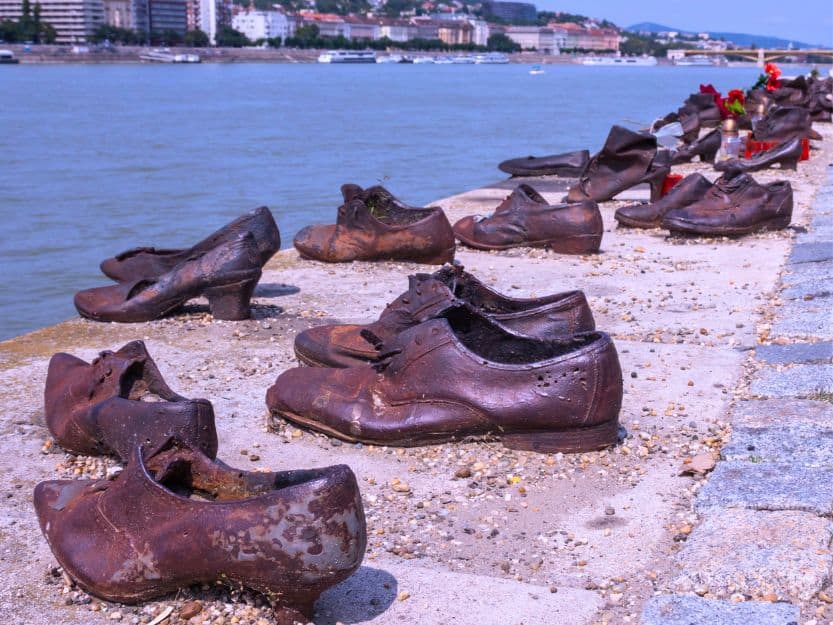
The Shoes on the Danube Bank is not quirky or fun, but it is one of the most moving places to visit in Budapest. The memorial honours Jewish people who were killed on the riverbank during the Second World War.
It is close to the Parliament Building, so many visitors pass it during a central Budapest walk. Try to go early in the morning or later in the day, when it is quieter and easier to take in properly.
It is an important stop, but not somewhere to rush through or treat as a photo opportunity.
15. Try a Chimney Cake Making Workshop
You will see chimney cakes, or kürtőskalács, all over Budapest, especially around busy squares and tourist streets. Buying one is easy, but making one yourself is more memorable.
A chimney cake workshop usually shows you how the dough is rolled, baked and coated before you eat it warm. It is a good food experience if you don’t want a full cooking class but still want to do something hands-on.
It’s also a nice option if you need a slower activity between museums, markets and long walks.
16. Explore the Great Market Hall Beyond the Souvenirs
The Great Market Hall is not exactly unknown, but it can still be a good experience if you approach it properly. Go early, look beyond the souvenir stalls upstairs and spend time around the produce stands.
You’ll find paprika, pickles, pastries, meats, cheeses and plenty of local ingredients. It is also a good place to try lángos, although it is very filling, so don’t plan a big lunch straight afterwards.
It gets busy, so mornings are usually better than the middle of the day.
17. Visit For Sale Pub
For Sale Pub is one of Budapest’s stranger-looking pubs. The walls and ceilings are covered with notes and papers left by visitors, and the floor is usually scattered with straw.
It is touristy, but it is still fun if you like unusual interiors and lively places. It’s close to the Great Market Hall, so it is easy to combine the two.
Go for a drink rather than making it your whole evening, unless you end up enjoying the atmosphere and decide to stay longer.
18. Relax at a Less Obvious Thermal Bath
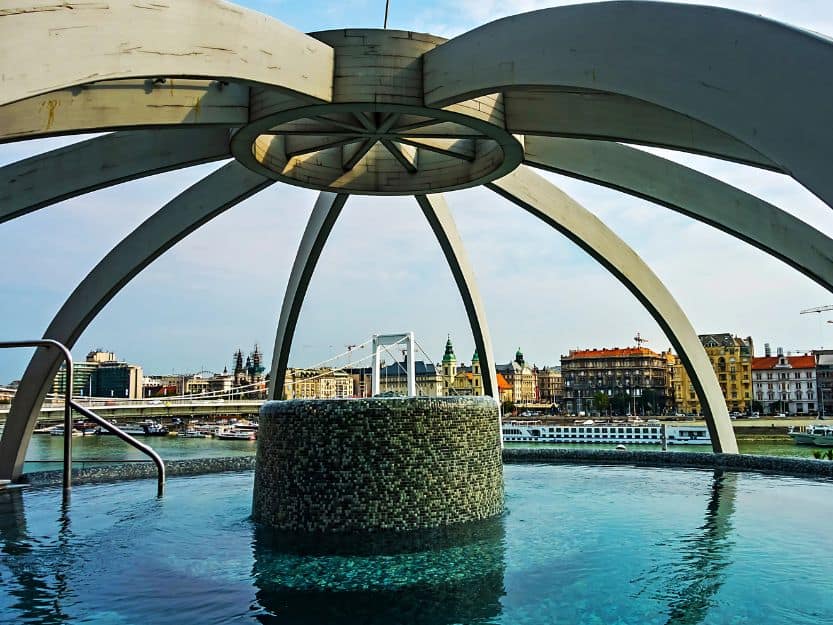
Széchenyi and Gellért Baths are the famous ones, but Budapest has several thermal baths, and some feel a little less polished or less crowded depending on when you go.
Rudas Baths is a good option if you want something historic, and its rooftop pool has great views over the city. Lukács Baths can feel a bit more local than the big-name baths, although it still gets visitors.
Always check current opening hours, booking rules and any bathing-day restrictions before you visit.
19. Take a Dark History or Vampire Walk
Budapest has plenty of beautiful views, but it also has a darker side. A dark history or vampire-themed walk around Buda Castle can be a fun and unique way to see the area after dark.
Some tours are more historical, while others lean into legends and theatrical storytelling. Read the description carefully before booking so you know what sort of tour you’re getting.
This is a good option if you enjoy ghost tours, old streets, and evening walks with a bit of drama.
20. Walk Across Liberty Bridge Early or Late
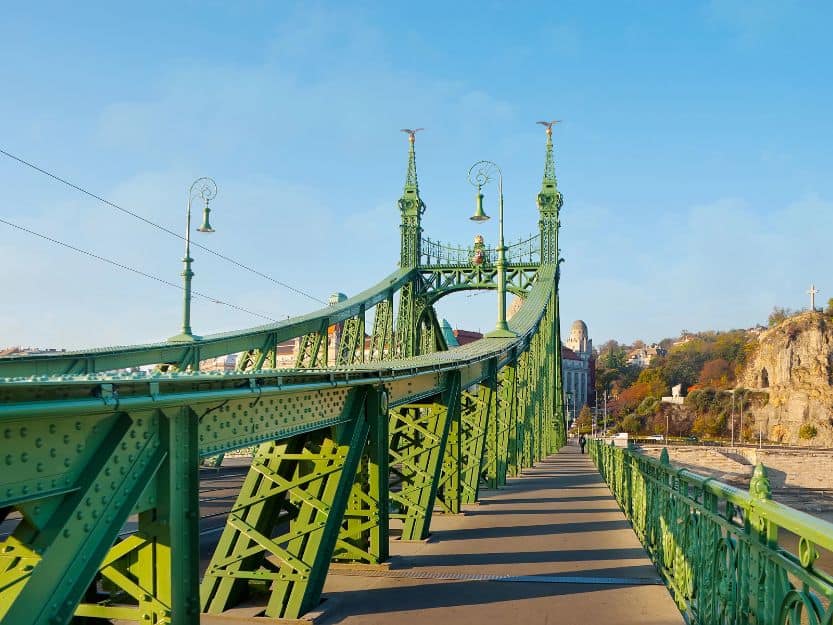
Liberty Bridge is one of the prettiest bridges in Budapest, but it feels much better when it is not packed with people. Go early in the morning or after dark, when the lights make the river and surrounding buildings look especially lovely.
A simple route is to start at the Great Market Hall, cross Liberty Bridge, visit the Cave Church and then continue towards Gellért Hill. It is not a hidden place, but doing it at the right time makes a big difference.
If you enjoy taking photos, this is one of the easiest places to get beautiful Budapest views without going far out of your way.
21. Ride One of Budapest’s Scenic Trams
Budapest has an excellent public transport system, but the trams are worth using for more than just getting from A to B. Tram 2 is the best-known scenic route, as it runs along the Pest side of the Danube and gives you lovely views of the river, bridges, Buda Castle and the Parliament area.
It’s not a hidden attraction, but it is a simple and inexpensive way to see the city from a different angle. It also works well if you want a break from walking without heading indoors.
Use it as part of your day rather than treating it like a tour. Hop on, enjoy the views, and get off when you’re ready to explore another area.
The tram is included in the Budapest Card. If you plan to use public transport a lot and visit several paid attractions, getting a card would save you money rather than buying individual tickets.
Where to Stay in Budapest Away From the Crowds
Budapest has plenty of accommodation options, from grand hotels and apartments to hostels, guesthouses and boutique stays. If you want somewhere quieter, but still within easy reach of the main sights, it is worth looking just beyond the busiest parts of District V and the nightlife streets of District VII.
The Palace District in District VIII is a good option if you want attractive streets, cafes, museums and easy access to public transport. It feels central without being quite as busy as the area around Váci Street or the liveliest parts of the Jewish Quarter.
Újlipótváros, just north of the Parliament area, is another good choice. It has a more residential feel, with cafes, bakeries, local restaurants and easy access to Margaret Island. It works well if you like staying somewhere that feels lived-in rather than purely tourist-focused.
If you prefer the Buda side, look around Gellért Hill, Krisztinaváros or the quieter streets near the Castle District. You may have a little more uphill walking, but you’ll be close to viewpoints, historic streets and some lovely quieter areas.
For a first visit, I’d still avoid staying too far out unless you’re very close to a metro, tram or bus route. Budapest is easy to get around, but being well connected makes a big difference when you’re trying to fit in caves, museums, markets, thermal baths and evening walks.
BOOK BUDAPEST ACCOMMODATION HERE
There are so many unique and unusual things to do in Budapest, and this list only covers some of the best ones. Give yourself enough time to wander beyond the main sights, and you’ll find caves, courtyards, local neighbourhoods, odd little museums and plenty of places that make the city feel much more personal.
Have you been to Budapest? Did you find any quirky spots or unusual experiences that I’ve missed?
Planning Your Trip to Budapest?
Planning your trip to Budapest in Hamburg? Here are some of our recommended useful resources to help you have the best time possible.
|
● TRAVEL INSURANCE IS AN IMPORTANT CONSIDERATION! World Nomads offers cover for travellers in over 100 countries, and True Traveller is a great option if you’re from the UK or EU. SafetyWing is another solution, particularly for digital nomads and long-term travellers. ● Use Wise (formerly Transferwise) for sending or receiving money internationally. It’s cheap, easy and transparent. ● Find amazing flight deals on Skyscanner and Kayak. ● For great prices on ferries, check out Ferryhopper. ● Compare rental car prices on DiscoverCars. ● You can book train, bus and other ground transportation with Trainline, 12Go and Bookaway. ● Booking.com and Expedia usually have the best hotel prices. ● Our go-to for self-catering accommodation is Vrbo. ● Discover fantastic trips and activities with Viator and GetYourGuide. ● Check out Bookmundi, G Adventures, and Intrepid Travel for group holidays and tours. |
Read More Europe13 Fantastic Things to do in Cappadocia, Turkiye27 Beautiful Greek Islands Pros and Cons of Living in Spain |
Enjoy this post? Pin it for later!